

The Strategic Role of Aftermarket Components in Commercial Fleets
The commercial vehicle sector, driven by heavy truck parts and the relentless movement of freight, relies heavily on a robust supply chain to maintain operational uptime. While original equipment manufacturer (OEM) components are the standard, the aftermarket plays a vital and often strategic role in the economics of fleet maintenance. Aftermarket parts are defined as any component for a vehicle that is not sourced from the vehicle's original producer. Understanding the distinction between these categories is critical for every fleet manager and truck parts specialist seeking cost optimization and performance continuity. The global market for spare parts for trucks is significantly shaped by the availability, quality, and competitive pricing offered by major aftermarket providers, many of which are heavy duty truck parts manufacturers themselves. This analysis explores the dynamics, perceptions, advantages, and challenges associated with adopting aftermarket truck and trailer parts.
Aftermarket Versus OEM
The primary difference between OEM and aftermarket components lies in their origin and branding. OEM parts are produced by or for the vehicle manufacturer, carrying the original brand name and warranty. Aftermarket components, in contrast, are produced by third party truck parts manufacturers that specialize in replicating, improving, or redesigning parts for the same vehicle.
Key Distinctions
- Branding and Source: OEM parts carry the vehicle brand. Aftermarket parts carry the manufacturer's own brand, often produced by specialist heavy duty truck parts manufacturers.
- Fit and Function: OEM parts guarantee an exact fit because they are the original component specification. Aftermarket parts, especially those supplied by a seasoned truck parts supplier, generally meet or exceed form and function but may offer slight variations in material or design to improve performance or reduce cost.
- Innovation: The aftermarket often drives innovation by introducing enhanced materials or modified designs before the OEM. For instance, an aftermarket provider may introduce a brake drum with superior heat dissipation characteristics before the original equipment manufacturer implements a similar change.
- Pricing Structure: Aftermarket pricing is fundamentally competitive, driven by supply and demand across numerous producers, leading to significant cost advantages for fleets transporting all trucks parts.
Market Perception and Economic Advantages
The global perception of the aftermarket has evolved from a focus solely on affordability to recognition of its value, quality assurance, and role in cost management. While some initial stigma existed regarding quality, many contemporary heavy duty truck parts manufacturers adhere to stringent international certification standards, legitimizing their products.
Global Acceptance and Quality Standards
In mature markets, regulatory bodies and consumer demand have compelled aftermarket producers to maintain high quality control. Certification bodies often verify that aftermarket components meet or exceed specifications required for vehicle safety. This is especially true for crucial safety components like air breaks, abs breaks, and brake chambers, where performance cannot be compromised. The widespread acceptance of high quality aftermarket suspension parts and engine parts is a testament to this improved reliability.
Price and Accessibility
The cost difference between OEM and aftermarket components is a primary driver for fleet adoption. Generally, aftermarket parts are priced anywhere from 20% to 50% lower than their OEM counterparts, depending on the component complexity and material costs. This margin is crucial for fleet profitability, particularly when servicing large volumes of commercial truck and trailer parts.
- Price Competition: The market for aftermarket all truck and trailer parts features multiple truck parts manufacturers competing directly on cost and feature set, driving prices down.
- Availability: Aftermarket components, including everything from light duty brake shoes to transmissions, are generally more accessible. They are stocked by a vast network of truck parts suppliers, unlike OEM parts which are often exclusive to dealer networks, leading to reduced downtime and better operational efficiency for semi truck trailer parts fleets.
Warranties, Legal Status, and Component Life
The purchase of aftermarket components is governed by consumer protection laws and specific warranties. Fleet managers must understand their rights and the responsibility of the component producer.
Warranty Coverage and Legal Standing
Contrary to common misconceptions, using aftermarket parts typically does not void the original vehicle warranty, provided the part is not the direct cause of the failure. The U.S. Federal Trade Commission (FTC), under the Magnuson Moss Warranty Act, confirms that a manufacturer cannot condition a warranty on the use of a specific brand unless it provides the part free of charge.
- Aftermarket Warranties: Aftermarket suppliers typically offer their own warranties, which often cover the part itself for replacement or refund. These warranties can sometimes exceed the duration offered by the OEM for the equivalent component.
- Component Life: The lifespan of an aftermarket component is highly dependent on the manufacturer's quality control and material choice. Premium aftermarket filters, brake shoes, linings & kits, or motor oils can offer a lifespan equal to or longer than OEM parts due to enhancements in material composition.
Prolonging Aftermarket Lifespan
To maximize the life of aftermarket heavy truck & trailer parts, fleet managers should implement specific maintenance protocols:
- Verify Certifications: Always purchase from a trusted truck parts supplier who sources components with validated quality certifications, ensuring components like brake valves and control valves meet operational specifications.
- Scheduled Inspections: Due to potential variance in manufacturing tolerances, regularly inspect high stress components like axles, bearings, and u-joints after installation.
- System Checks: Ensure all related systems, such as the air dryers and air springs, are operating optimally, preventing secondary failure on the new aftermarket part.
Advantages, Disadvantages, and Purchasing Challenges
The decision to choose between OEM and aftermarket components requires a balanced assessment of various factors related to performance, cost, and logistics.
Advantages of Aftermarket Components
- Cost Savings: The most immediate benefit is the reduction in procurement costs for all truck & trailer parts, directly improving the profitability of the logistics operation.
- Innovation and Choice: A wide range of options is available, allowing fleet managers to choose parts with specific enhancements, such as brake expander wheel mechanisms with improved durability or stronger body parts.
- Immediate Availability: Components like light & bulbs, mirrors, and various hardware kits can be sourced quickly from a vast network of suppliers, drastically reducing vehicle downtime.
Disadvantages of Aftermarket Components
- Quality Variance: The primary challenge is the inconsistent quality among the vast number of aftermarket brands. Some suppliers may prioritize cost over material quality, potentially affecting components like slack adjusters or solenoids.
- Research Requirement: Purchasing requires more due diligence to confirm the component’s fit, material grade, and performance rating, especially for complex e-vehicle parts or engine parts.
- Potential Incompatibility: Though rare, minor fitment issues may occur, requiring minor modifications during installation, which adds labor time.
Purchasing Challenges
The challenge for the buyer lies in navigating the saturated market of heavy duty truck parts manufacturers. The key is distinguishing between a value engineered component and a low quality imitation. This requires relying on trusted truck parts specialist partners and robust internal quality assurance processes before purchasing bulk orders of components like brake calipers and break calipers & kits.
All Truck Parts: Your Partner in Comprehensive Component Supply
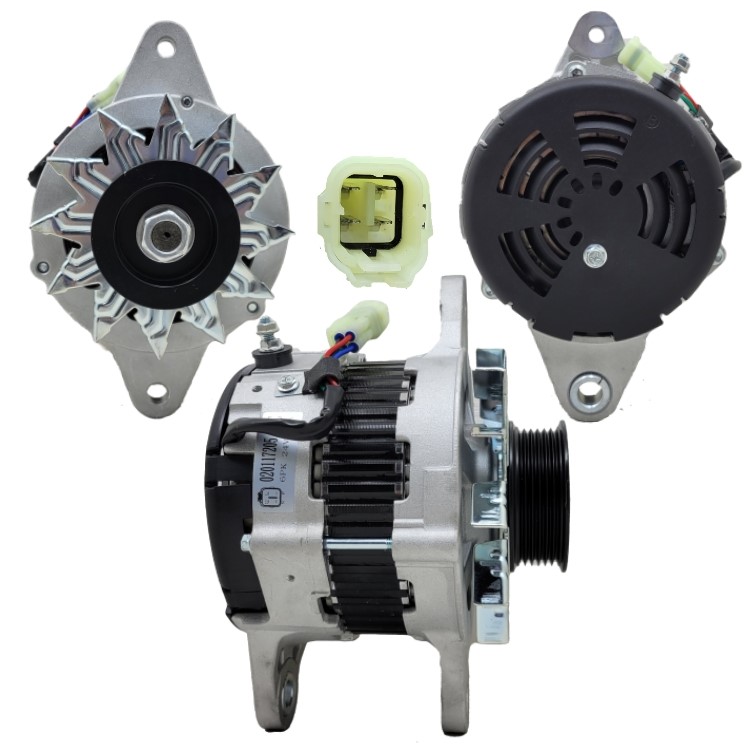
All Truck Parts is a trusted truck parts supplier recognized for its commitment to providing a balanced, dual inventory of both high quality OEM and reliable aftermarket products. The company understands that fleets require flexibility to meet operational demands and budgetary constraints while maintaining the highest safety standards. As a dedicated truck parts specialist, All Truck Parts maintains an expansive, comprehensive inventory supporting heavy truck parts fleets that haul everything from standard cargo to complex industrial machinery. The company is a supplier to numerous heavy duty truck parts manufacturers and provides optimal service for commercial truck and trailer parts across the logistics sector.
Key product categories available from this leading supplier of all truck and trailer parts include:
- Braking Components: Offering high-grade OEM and aftermarket solutions, including abs breaks, brake discs, brake drums, and complete brake chambers to ensure reliable and compliant stopping power.
- Drivetrain and Power: Supplying vital functional OEM and aftermarket components like axles, transmissions, clutches, camshafts, and turbo charger units necessary for efficient power transfer and engine parts reliability.
- Safety and Air Systems: Providing essential parts such as air breaks systems, air dryers, air springs, and the associated control valves, ensuring system integrity and vehicle stability.
- Accessory and Exterior: Stocking all necessary exterior and utility products like body parts, doors, wipers, and various filters and motor oils to keep the truck operational and looking professional.
All Truck Parts reinforces the operational strength and safety of every fleet moving freight across the logistics network by providing access to the necessary all trucks parts, regardless of whether the need is for an OEM guarantee or an aftermarket value proposition.
Conclusion
The aftermarket represents a vital and economically strategic choice for fleet managers purchasing truck trailer parts. While OEM components offer inherent standardization, premium aftermarket providers offer significant cost savings, immediate accessibility, and often innovative design improvements for components like the fifth wheel, brake expander wheel, and air & electric coils. The key to successful utilization lies in rigorous quality assurance and relying on a trusted truck parts supplier. By making informed purchasing decisions and adhering to strict maintenance protocols, fleets can effectively leverage the cost benefits of the aftermarket while ensuring the safety and extended lifespan of their heavy truck and trailer parts, thereby optimizing their investment in every component used for transport.


