

Navigating the Year End Logistics Surge with Precision
The final weeks of the calendar year represent the most intense operational window for the global trucking industry. As December 2025 progresses, logistics providers face a complex intersection of peak delivery demands, volatile winter climates, and stringent holiday transport regulations. Achieving success during this critical period requires more than just increased horsepower; it demands the seamless integration of predictive scheduling, mechanical vigilance, and rigorous cost oversight to safeguard both profit margins and highway safety.
Strategic Logistics Management and Resource Optimization
Transitioning from reactive to predictive modeling is the hallmark of a resilient fleet during the holiday season. With road congestion impacting global supply chains and driving up operational expenses, dispatchers must leverage sophisticated visibility tools to bypass seasonal bottlenecks and maintain delivery schedules.
- Navigating Regulatory Restrictions: Throughout North America and Europe, many governments enforce specific heavy vehicle bans during major holidays like Christmas and New Year’s Day. For instance, several European nations restrict commercial transport on public roads to prioritize passenger safety. Understanding these windows is essential to prevent drivers from becoming stranded at regional borders where support services may be unavailable.
- Maximizing Refuel Economics: Fuel consumption accounts for a massive portion of fleet overhead, often exceeding 0.50 per mile in peak conditions. Establishing a disciplined refueling protocol that identifies high volume, cost effective stations along primary corridors can prevent the inflated costs typical of remote truck stops. This foresight allows for a more stable budget despite the seasonal fluctuations in energy pricing.
- Proactive Meteorological Planning: Integrating real time weather data into dispatch workflows is no longer optional. A sudden blizzard can quickly turn a routine haul into a multi day stall. By identifying pre-planned safe zones and emergency parking areas, operators ensure that drivers can wait out storms in secure environments rather than risking a dangerous journey on unplowed highways.
Protecting Profitability through Technical Oversight
For any commercial vehicle owner, the Return on Investment is fundamentally linked to consistent uptime. The financial impact of an emergency roadside breakdown during the holiday rush can escalate quickly, with costs often ranging from 1,200 to 3,500 per incident. These figures far exceed the price of proactive service, making preventive care a vital economic strategy.
- Comparing Service vs Emergency Expenditures: A routine check in a controlled shop environment is a manageable expense, whereas a roadside failure involving seized brake discs or ruined hub assemblies can cost four times as much when factoring in towing and emergency labor. Prioritizing shop time before the peak rush protects the bottom line from these avoidable surcharges.
- Mechanical Care as a Financial Shield: Adopting a proactive maintenance stance prevents the cascading failure of interconnected systems. For example, replacing a worn slack adjuster before it reaches its limit protects more expensive components like the brake drums and tires from uneven wear. This approach preserves the integrity of the entire axle and suspension system.
- Leveraging Remote Diagnostics: Modern telematics allow maintenance supervisors to detect fault codes, such as air leaks or sensor malfunctions, before they result in a vehicle being placed out of service. Ensuring that air breaks and abs breaks are fully operational before departure minimizes the risk of legal penalties and operational delays.
Critical Winter Readiness for Air Brake Systems
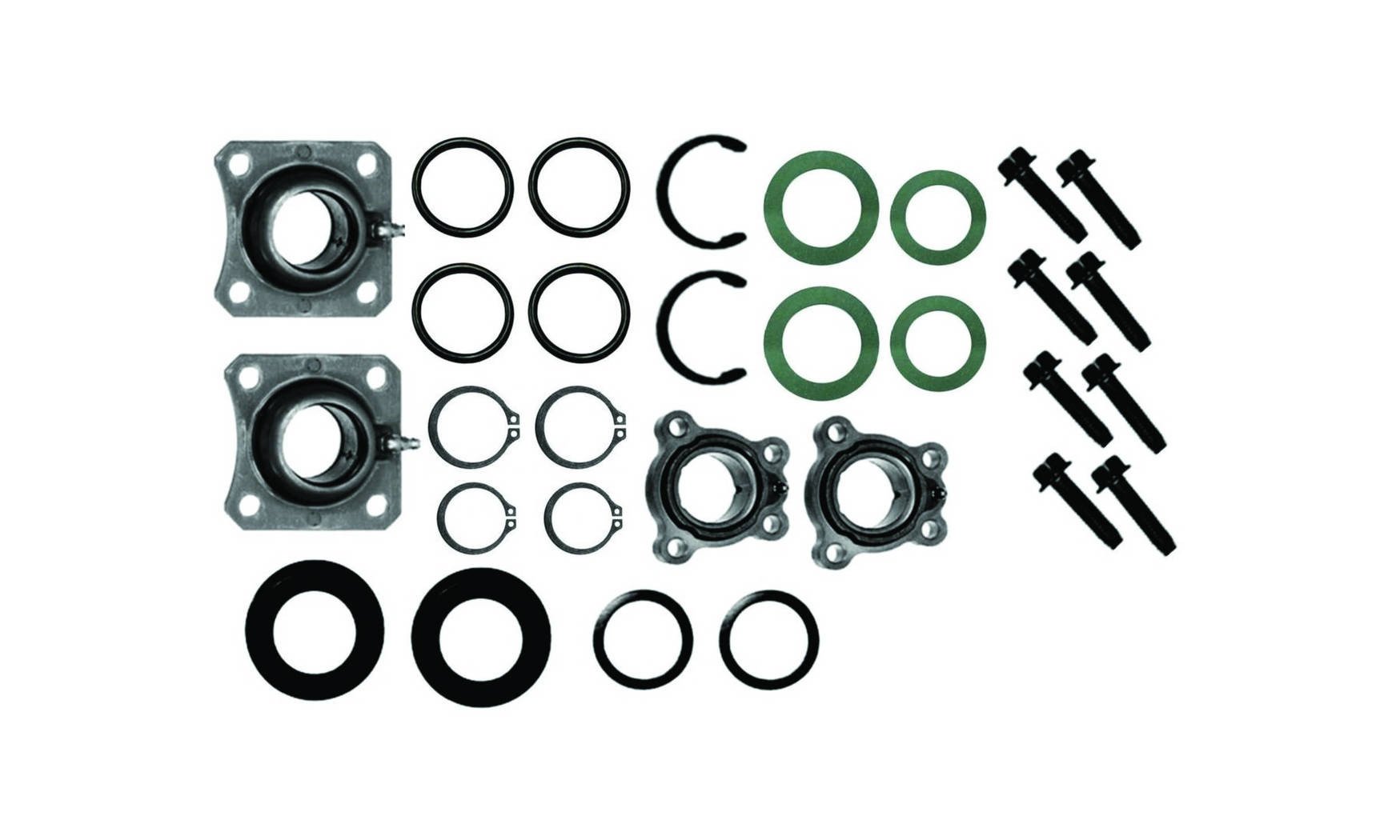
The reliability of heavy truck parts during the winter months is a primary concern for safety conscious operators. Low temperatures and the pervasive use of road de icing chemicals create a highly corrosive environment that can rapidly degrade the braking geometry of a commercial vehicle.
High Priority Mechanical Inspections
Comprehensive pre-trip examinations must prioritize the components that provide the vehicle's stopping power. Drivers and technicians should focus on specific areas where cold weather failure is most likely to occur.
- Brake Chambers and Internal Seals: Inspect every brake chamber for signs of structural oxidation or air loss. A failing internal diaphragm can lead to a catastrophic drop in air pressure, which is an extreme hazard when hauling heavy loads on steep, icy inclines. Maintaining these units prevents the spring brakes from activating prematurely.
- S-camshaft and Bushing Integrity: It is vital that the S-camshaft rotates without resistance and that all bushings are treated with high quality winter grade lubricants. If these components bind due to salt buildup, they can cause the brake shoes to drag, resulting in excessive heat and potential wheel end fires.
- Slack Adjuster Synchronization: Every slack adjuster must be verified for correct pushrod travel. An improperly calibrated slack adjuster causes uneven braking force across the axles, which can lead to a jackknife during emergency deceleration on slippery pavement.
Managing the Supply Chain for Critical Components
Supply chain instability often worsens during the final weeks of the year, making the procurement of heavy duty truck parts a strategic challenge. Savvy fleet managers maintain a safety stock of essential wear items to avoid long term grounding of their assets.
- Bulk Procurement of Friction Materials: Securing a stock of premium brake shoes, linings, and kits ensures that technicians can perform immediate replacements when wear is detected. High grade materials provide a more stable coefficient of friction, which is necessary for navigating frozen terrain safely.
- Readiness for Caliper and Hardware Failures: Frozen slide pins in break calipers & kits can lead to seized brakes during sub zero temperatures. By keeping replacement calipers and hardware kits on hand, fleets can significantly reduce the time spent in the repair bay. Partnering with reputable heavy duty truck parts manufacturers early in the year ensures that these parts are available when local distributors run low.
- Strategic Procurement Planning: Establishing direct relationships with a truck parts specialist or a global truck parts supplier allows for more predictable lead times. Having items like a brake line bender or specialized valves ready in the shop prevents the need for desperate, high cost searches for niche components during the peak season.
All Truck Parts: Your OEM and Aftermarket Solution Provider
With a legacy spanning over two decades, All Truck Parts Limited is a recognized authority in the truck and trailer industry. We operate as both an OEM and an aftermarket truck parts manufacturer, which allows us to offer our global clientele an unmatched combination of factory direct pricing and superior product quality. Our commitment to road safety drives every aspect of our production, from the initial engineering phase to the final quality inspection.
- Certified Excellence in Manufacturing: All our production facilities maintain the ISO/TS16949 certification, ensuring that our quality management systems meet the most rigorous automotive standards. This license is a testament to our dedication to continual improvement and environmental responsibility.
- Sustainable Production Values: As a leading truck parts supplier, we are conscious of our environmental footprint. We invest heavily in advanced technology to minimize waste, prevent water contamination, and reduce emissions, ensuring that our manufacturing processes protect the planet while supporting the global transport industry.
- Comprehensive One Stop Solution: We provide an extensive catalog of commercial truck and trailer parts, serving as a single source for everything from axles and air springs to transmissions and u-joints. Our team includes expert engineers capable of providing customized OEM/ODM services for many of the world's most recognizable brands.
- Unbeatable Factory Advantage: By offering factory direct prices, we ensure that our customers receive heavy truck & trailer parts based on the cost of production rather than inflated brand valuations. Every product is backed by a 12 month warranty, reflecting our confidence in our durability and precision.
- Global Technical Support: We prioritize quick delivery and on time service, supported by a strong technical background and a team of individuals dedicated to maintaining long term business relationships with fleets, distributors, and OEMs worldwide.
Conclusion
Successfully managing a fleet through the year end surge requires a disciplined focus on mechanical health, strategic logistics, and proactive parts procurement. By prioritizing the quality of truck trailer parts and adhering to a strict preventive maintenance schedule, operators can avoid the heavy costs of emergency failures and ensure that their drivers remain safe during the most challenging conditions of the year. Reliability is the foundation of the logistics industry; by investing in high performance components and rigorous safety standards, your organization can turn the holiday rush into a period of profitable and secure operations.


