

Optimizing Truck Fleet Refueling and Management Strategies
Fuel is a primary operational cost for commercial logistics, often representing a third of total expenses. For fleet managers, refueling is a critical event that directly impacts schedule integrity, equipment longevity, and profitability. Efficient refueling requires a sophisticated understanding of timing, fuel quality, and the mechanical health of the vehicle. By implementing standardized procedures and strategic route planning, logistics firms can significantly reduce waste and protect their heavy duty truck parts from unnecessary wear.
Standardized Truck Refueling Procedures and Safety Protocols
A professional refueling procedure begins long before the nozzle is inserted into the tank. Safety is the primary concern, as high volumes of diesel present thermal and environmental risks. Drivers should approach the fuel island at a controlled speed to protect personnel and other truck and trailer parts in the vicinity. Standardized procedures ensure every stop is performed with maximum efficiency and minimum risk.
Engine Deactivation: The engine must be completely turned off to prevent fire risks and ensure electronic logging devices accurately record the stop. Idling during refueling is often a regulatory violation and prevents the driver from focusing entirely on the task.
Three Points of Contact: When exiting the cab, drivers should maintain three points of contact. Fuel islands are hazardous environments where oil, diesel spills, and rain create slick surfaces. Safety professionals emphasize that driver injury is a leading cause of unscheduled downtime in the logistics industry.
Tank Inspection: Before pumping, a visual check of the fuel tank straps and the filler neck is advisable. Identifying a loose bracket or a damaged seal early can prevent leaks. This is part of a larger preventative maintenance strategy that keeps commercial truck and trailer parts in top condition.
Nozzle Security: Ensure the nozzle is fully seated. Many modern truck and trailer parts include anti-siphon devices that require careful alignment to prevent backflow. Properly seated nozzles also prevent spillage on the chassis or tires, which can degrade rubber components over time.
Navigating Refueling Restrictions and Environmental Compliance
Logistics operations must navigate a complex web of local and federal restrictions regarding refueling. These regulations protect the environment and maintain road safety. For instance, many metropolitan areas have strict anti-idling laws that apply during refueling. Understanding these legal frameworks is essential for any truck parts supplier or fleet operator who wishes to avoid costly citations.
Refueling restrictions also extend to the weight of the vehicle. A full tank of diesel can add over 2,000 pounds to the total weight. Drivers must be aware of their cargo weight before topping off to ensure they do not exceed gross vehicle weight ratings. Exceeding these limits can lead to heavy fines and places undue stress on the axles and suspension parts of the vehicle.
Understanding Fuel System Contamination and Filtration
The integrity of a truck's fuel system depends heavily on the cleanliness of the diesel being introduced. Contamination is a hidden danger that can lead to catastrophic engine failure if not managed correctly.
Water Ingress: Water is the most common contaminant in diesel fuel. It can enter the system through condensation in the storage tanks or during the refueling process in humid conditions. Water causes corrosion in the fuel injectors and provides a breeding ground for microbial growth.
Particulate Matter: Dust, rust, and microscopic debris can enter the tank during refueling. These particulates act as abrasives, wearing down the high-precision tolerances within the engine parts and fuel pumps.
The Role of Filtration: To combat these issues, logistics fleets must rely on high-quality fuel-water separators and secondary filters. These heavy truck parts are designed to trap contaminants before they reach the combustion chamber. Regular replacement of these filters is a mandatory requirement for any truck parts specialist focusing on fleet longevity.
When is it Best to Refuel?
In professional logistics, timing a refueling stop is a strategic decision that affects fuel density and operational efficiency. Many experienced operators prefer refueling during the early morning or late at night.
Thermal Expansion: Fuel stored in underground tanks stays at a constant temperature, but it expands once it enters the vehicle's tanks and heats up. Refueling during cooler periods minimizes volume loss. Since pumps measure volume, refueling when fuel is coolest ensures the fleet gets the most energy per gallon.
Operational Windows: Scheduling refueling during mandatory rest periods helps avoid congestion. This reduces downtime and ensures the driver can return to the road without waiting behind other vehicles. By integrating refueling into the legal rest cycle, fleet managers maximize the hours of service allowed under transportation laws.
Identifying Efficient Refueling Locations
Choosing where to refuel is as important as knowing when. A truck parts specialist or fleet manager should seek locations with high turnover to ensure the diesel is fresh. High turnover reduces the likelihood of accumulated moisture or microbial growth in the station’s tanks, which could damage heavy truck parts.
Strategic planning often utilizes fuel card networks that direct drivers to preferred vendors located along major freight corridors. These stations are designed for the wide turning radii of semi truck trailer parts and offer integrated payment systems that sync with fleet management software. This integration provides transparency needed to track fuel economy and identify potential mechanical issues early.
Choosing the Ideal Fuel Grade and Additives
Not all diesel is created equal. Most heavy trucks require Ultra-Low Sulfur Diesel (ULSD) to comply with emissions standards. Using the wrong fuel can lead to the immediate failure of expensive emission control systems and other spare parts for trucks.
Winter Blends: In colder climates, fuel providers use winterized blends with additives to prevent gelling. Diesel contains paraffin wax which can crystallize in sub-zero temperatures, clogging fuel lines and air dryers.
Cetane Ratings: Higher cetane ratings indicate quicker ignition under compression. This leads to smoother operation and better cold starts, which preserves the life of the starter motor and battery. Quality fuel ensures that engine parts are not subjected to the violent vibrations associated with poor combustion.
Ensuring Fuel Sufficiency for Daily Operations
Ensuring every driver has sufficient fuel for their assigned route is a critical component of logistics management. Running out of fuel causes significant mechanical damage and dangerous roadside situations. Many fleets implement a "half-tank" rule, requiring drivers to refuel whenever their tank reaches the 50% mark.
This rule provides a safety margin for unexpected delays. Modern telematics allow fleet managers to monitor fuel levels in real-time. By integrating this with route planning software, dispatchers can suggest the most cost-effective stops based on current levels and upcoming prices. This proactive approach protects the fuel pump and injectors from damage.
What to Avoid When Low on Fuel
When a truck is running low on fuel, the risks to mechanical integrity increase. Drivers should be trained to avoid several key behaviors that could damage all trucks parts.
Sediment Intake: As the fuel level drops, the pump may draw in sediment that has settled at the bottom of the tank. This leads to rapid clogging of fuel filters and may damage the engine parts. These particles act as an abrasive, wearing down the precise tolerances of the fuel injection system.
Air in the System: Diesel engines are sensitive to air in the lines. If a tank is run dry, air can enter the injectors, requiring a professional technician to bleed the system. This process is time-consuming and often requires specialized tools.
Overheating the Fuel Pump: Diesel fuel acts as a coolant and lubricant for the pump. Operating with a nearly empty tank can cause the pump to overheat, leading to premature failure and the need for expensive spare parts for trucks.
All Truck Parts: Your Partner in Professional Fleet Care
Maximizing fuel efficiency requires high-performance lubricants and precision components that work in harmony with your fuel system. All Truck Parts provides the essential supplies and engineering expertise required to maintain your commercial truck and trailer parts at peak readiness.
Comprehensive Product Solutions for Heavy Vehicles
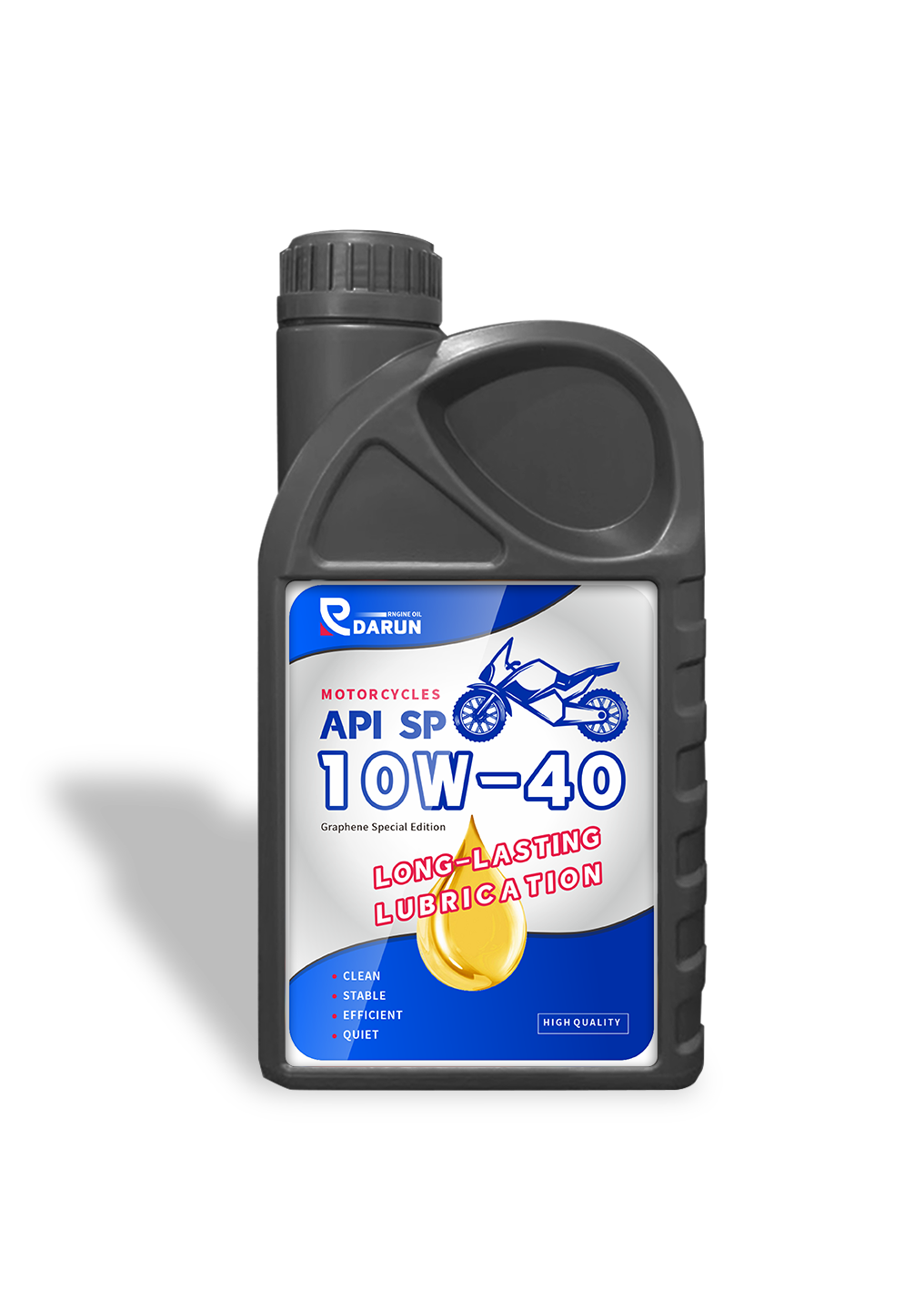
- Motor Oils and Lubricants: Premium grade oils that reduce engine friction and optimize fuel consumption across your entire fleet.
- Electric and Electrical Parts: Precision sensors, solenoids, and wiring components that ensure your engine's fuel delivery system communicates accurately with the onboard computer.
- Filters and Engine Parts: High-quality fuel, air, and oil filters that protect internal engine parts from the contaminants often found in low-quality fuel.
- Brake and Suspension Systems: A wide range of heavy duty truck and trailer parts including brake chambers, air springs, and axles for total vehicle safety.
- Lighting and Visibility: A full inventory of light and bulbs to ensure your fleet remains visible and compliant during nighttime refueling.
Exemplary Manufacturing and Support Services
- OEM and Aftermarket Manufacturing: We serve as both an OEM and Aftermarket manufacturer, providing you with the best balance of quality and price for semi truck trailer parts.
- Certified Quality Standards: Our factories maintain ISO/TS16949 certification, proving our commitment to safety and environmental responsibility.
- Factory Direct Pricing: By offering factory direct rates, we ensure your maintenance costs remain low without compromising the integrity of your spare parts for trucks.
- Technical Expertise: With over 20 years of experience, our engineers provide the support needed to select the right heavy truck and trailer parts for any application.
- Comprehensive Warranty: All of our all truck and trailer parts are backed by a 12-month warranty, giving you peace of mind on every mile.
Conclusion
Effective fuel management is the cornerstone of a successful trucking operation. By adhering to strict refueling procedures, choosing high-quality fuel, and timing stops strategically, logistics companies can maximize efficiency and protect their investment in all trucks parts. Consistent maintenance and the use of high-quality filters and motor oils are essential for preventing the mechanical failures associated with fuel contamination or low fuel levels. Partnering with a trusted truck parts supplier ensures that your fleet remains on the road, operating safely and profitably throughout the year.


