

Market Insight: The Structural Outlook of Global Logistics for 2026
The global trucking and logistics sectors are entering 2026 in a state of calculated stabilization. After several years of extreme volatility sparked by fluctuating demand and supply chain bottlenecks, the industry is now moving toward a replacement cycle economy. Fleet managers are no longer prioritizing aggressive expansion; instead, the focus has shifted toward maximizing the efficiency and lifespan of existing assets. As we move through the final stages of the 2025 holiday surge, the data suggests that Q1 of 2026 will be defined by capacity rebalancing and a heightened focus on total cost of ownership (TCO). According to the ACT Research 2026 Trucking Industry Forecast, the operating posture for the coming year is centered on cost control and risk management as carriers navigate near-recessionary margins and evolving regulatory mandates.
Ten Foundational Management Strategies for Q1 2026
Navigating the first quarter of 2026 requires a departure from traditional fix as needed maintenance. The following ten practices have been identified by industry leaders as the primary drivers of fleet resilience in the current economic climate.
- Strategic Transition to Predictive Maintenance: Moving away from scheduled maintenance in favor of predictive models is essential for Q1. By utilizing real time telematics and engine fault codes, fleets can identify potential component failures before they lead to a breakdown. This is particularly vital in the early months of the year when cold starts and freezing temperatures put maximum stress on engine sensors and electrical systems.
- Prioritizing TCO-Based Parts Procurement: In a high inflation environment, procurement teams are looking beyond the initial purchase price of truck and trailer parts. Investing in premium grade components, such as high end brake linings and slack adjusters, reduces the frequency of replacement labor, which is often more expensive than the part itself.
- Enhanced Driver Safety Coaching via AI: As reported by FreightWaves, the integration of AI enabled dashcams and telematics is now a standard practice for 2026. These systems provide real time coaching for drivers, helping them adjust their habits for winter road conditions, which significantly reduces the mechanical wear on the vehicle's braking and suspension systems.
- Implementing Advanced Route Optimization: Modern logistics firms are using AI to build weather aware routing. By avoiding known bottlenecks and areas prone to severe winter weather, fleets can maintain consistent delivery schedules while reducing fuel consumption caused by idling in traffic or battling heavy snow.
- Asset Replacement Strategy Consolidation: Rather than purchasing new units, fleets are focusing on replacing critical high wear parts on existing tractors. This refresh strategy allows carriers to stay compliant with safety standards without the massive capital expenditure of a new vehicle purchase in a high interest market.
- Focus on Aerodynamic Efficiency: Small adjustments, such as installing trailer skirts and wheel covers, are becoming mandatory for fleets looking to offset rising fuel costs. These components reduce drag and improve the fuel economy of heavy haul vehicles on long distance interstate routes.
- Quarterly Supply Chain Audits: The traditional annual bid is being replaced by quarterly refreshes. According to Ryder’s 2026 Freight Market Trends, shippers and carriers must review their routing guides more frequently to account for localized capacity tightening and shifting spot rates.
- Digital Record-Keeping for Regulatory Compliance: With the EPA 2027 standards approaching, maintaining meticulous digital records of emissions and maintenance is a top priority. This ensures that fleets are prepared for inspections and can prove the roadworthiness of older equipment during roadside audits.
- Regionalization of Fulfillment Hubs: To combat the high costs of long haul transport, more logistics providers are moving inventory to regional hubs closer to the end consumer. This reduces the average miles per trip and allows for better management of driver hours of service (HOS).
- Investing in Multi-Fulfillment Capabilities: Fleets that can handle diverse cargo, from palletized goods to e-commerce parcels, are seeing higher utilization rates. Flexibility in cargo handling ensures that trailers are rarely moving empty, maximizing the revenue generated per mile.
Anticipated Roadway Risks and Economic Hurdles for 2026
The first quarter of 2026 presents a unique set of challenges that can disrupt even the most well planned logistics operation.
Environmental and Roadway Hazards
Winter weather remains the primary physical hazard for truck drivers in Q1. Beyond the obvious risks of snow and ice, the heavy use of chemical de icers poses a long term threat to the vehicle's undercarriage. Magnesium chloride and road salt can cause rapid oxidation of heavy truck parts, particularly the s-camshafts, brake valves, and air line connectors. Failure to implement a rigorous cleaning and lubrication schedule during this period can lead to frozen components and total system failure.
Economic and Regulatory Obstacles
- The Persistent Driver Shortage: The American Trucking Association (ATA) highlights that the industry continues to struggle with a shortage of qualified drivers. This puts a higher premium on driver retention and necessitates the use of more automated safety features to assist less experienced operators.
- Capital Stress and Interest Rates: While the Federal Reserve has begun cutting rates, the cost of financing new equipment remains high. This forces many individual truckers and smaller fleets to continue running older equipment that requires more frequent spare parts for trucks to remain operational.
- Evolving Customs and Trade Enforcement: For those operating in cross border logistics, 2026 brings stricter enforcement of tariff classifications and origin determination. Maersk’s 2026 Customs Trends Report notes that border agencies are increasingly using AI to find non compliance, making data accuracy a strategic necessity for international shippers.
Protocols for Meeting Q1 2026 Brake System Demands
Brake systems face their most grueling test during the first three months of the year. To keep up with demand and ensure safety, fleet managers should implement the following protocols.
- Implement a "Winterization" Inspection Schedule: Move from monthly to weekly inspections for the air system and brake stroke. Identifying a small air leak in a brake chamber before it becomes a major failure can prevent a vehicle from being sidelined in sub zero temperatures.
- Utilize Cold-Weather Lubricants: Standard grease can thicken and become ineffective in extreme cold. Switching to synthetic, low temperature lubricants for slack adjusters and s-camshafts ensures that moving parts continue to actuate smoothly, even in the coldest regions.
- Service the Air Dryer System Early: The air dryer is the most important defense against moisture in the brake lines. Replacing the desiccant cartridge before Q1 begins prevents frozen moisture from locking up the valves, which is a leading cause of winter accidents.
Strategic Inventory: Building a Reliable Reserve for 2026
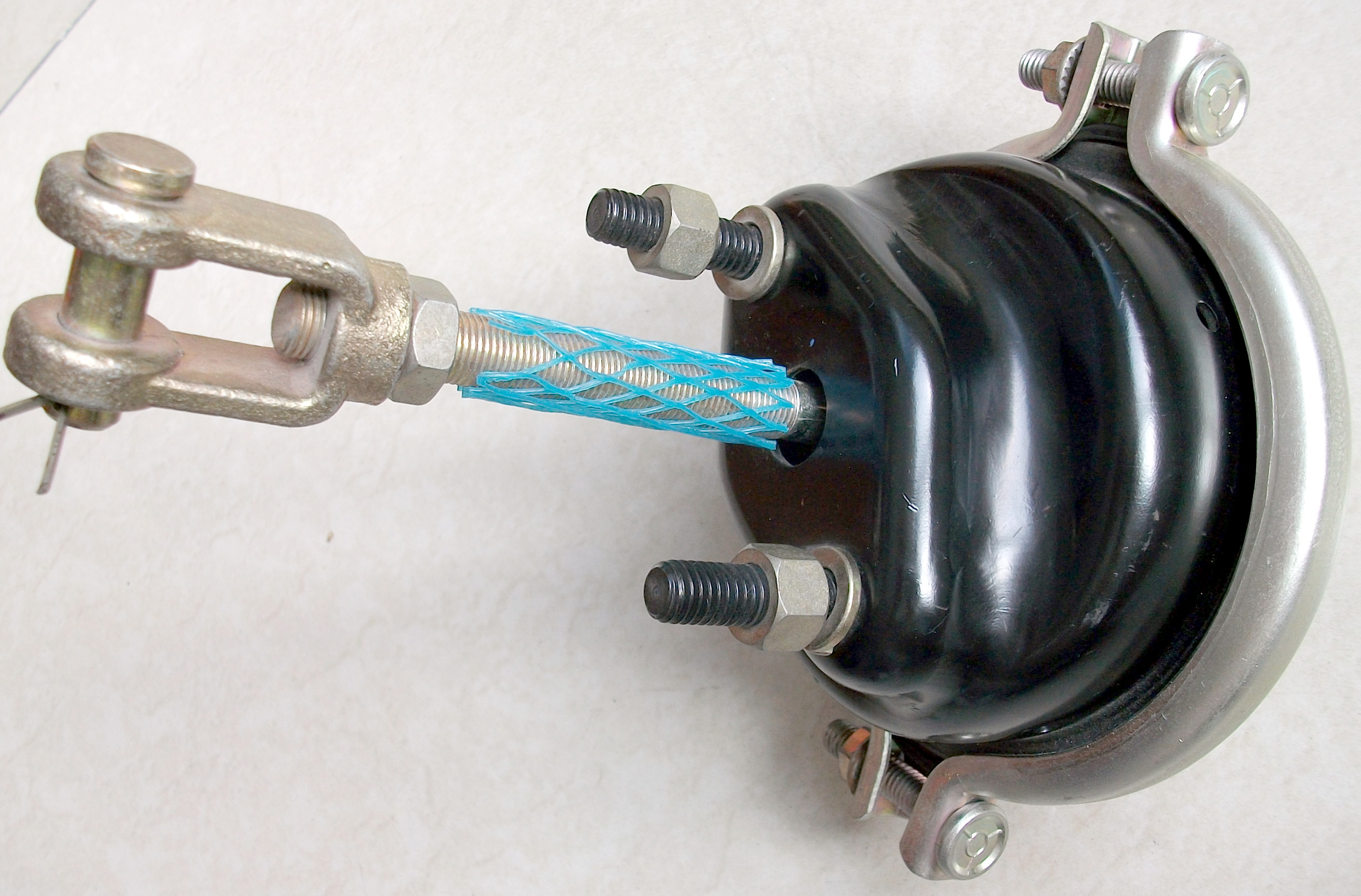
A just in time approach to parts procurement is no longer viable for high demand components. Fleets and individual truckers should maintain a strategic reserve of parts to ensure immediate repair capability.
Recommended Parts for the Reserve Inventory
Having these components on hand at the primary maintenance facility, or carried as a road kit, can save thousands in emergency towing and expedited shipping fees.
- Primary Braking Components: A reserve should include brake shoes, linings, and at least four brake chambers per ten tractors. These are high wear items that take significant punishment during the winter months.
- Tensioning and Actuation Parts: Slack adjusters and S-camshafts are prone to seizing when exposed to road salt. Having replacements ready ensures that a frozen brake can be fixed in hours rather than days.
- Air System Spares: Keep a stock of air hoses, glad hands, and various brass fittings. These small parts are often the culprits in roadside air leaks and are easy to replace if the parts are available.
- Lighting and Visibility: In the low visibility conditions of Q1 winter storms, having a full set of LED marker lights and headlights is essential.
- Winter Fluids and Filters: A healthy reserve of fuel filters, water separators, and anti gel additives is mandatory for preventing fuel waxing, which can strand a truck in extreme cold.
All Truck Parts: Delivering Industrial Quality and Direct Value
With over 20 years of combined experience in the truck and trailer industry, All Truck Parts (ATP) is uniquely positioned to help fleets meet the challenges of 2026. As an ISO/TS16949 certified truck parts manufacturer, we understand that our components are critical to road safety and fleet uptime. We operate as both an OEM and an Aftermarket manufacturer, allowing us to offer factory direct prices that are significantly lower than many other heavy duty truck parts manufacturers. By focusing on the cost of production rather than inflated brand value, we pass the savings directly to our customers.
Comprehensive Support for Global Logistics
- Quality Standards: Our factories adhere to the highest manufacturing standards, with regular inspections conducted to maintain our ISO/TS16949 certification. This ensures that every part, from an air dryer to a brake disc, meets the rigorous demands of the automotive supply chain.
- Sustainable Production Practices: We recognize the environmental impact of industrial production. That is why we invest heavily in technologies that minimize waste and air emissions, ensuring our manufacturing process is as efficient as our parts.
- Full Spectrum Fluid and Mechanical Solutions: Whether you need abs brakes, axles, suspension parts, or clutches, ATP provides a comprehensive range of solutions. Our advanced engineers in China provide strong technical support and quality control for our entire product line, including customized OEM/ODM services for some of the world's largest brands.
- Global Logistics and Local Support: We have strategically located offices to provide customer support to our local clients. With a 12 month warranty on our products and a commitment to quick delivery, we prioritize the long term success of our clients.
Conclusion
The landscape of the trucking and logistics industry in 2026 is one of focused efficiency and technical precision. While the first quarter of the year brings significant environmental hazards and economic pressures, these challenges can be overcome through proactive fleet management and strategic parts procurement. By maintaining a healthy reserve of essential heavy duty truck and trailer parts and partnering with a reliable truck parts supplier like All Truck Parts, logistics professionals can ensure their vehicles remain safe and operational. As we move forward into a year defined by sustainability and data driven maintenance, the quality of your equipment remains the ultimate safeguard for your drivers and your bottom line.


