

Commercial Brake System TCO and Compliance Strategy
The commercial brake system is the primary safety mechanism on any heavy vehicle, making its management a key strategic element for fleet operations. Success requires more than just routine mechanical repair; it demands rigorous compliance planning, optimized parts procurement, and meticulous financial analysis to determine the true Total Cost of Ownership (TCO) of brake components.
This article, tailored for fleet managers and procurement teams, provides a strategic framework for the modern air breaks system. We detail the high financial costs associated with component failure and non-compliance, and offer actionable knowledge for selecting durable, certified heavy duty truck and trailer parts that maximize asset longevity and safety.
Brake System Architecture
A detailed understanding of the air breaks system is foundational to effective preventative maintenance. This critical system relies on a precise cycle of compressed air and mechanical linkage to ensure reliable, balanced stopping power across all axles of commercial truck and trailer parts.
Component Risk Analysis
Every element in the air system is a potential control point that can lead to system-wide failure, costly downtime, and safety violations. Effective fleet maintenance necessitates precise sourcing of specialized spare parts for trucks, including items like air & electric coils for electro-pneumatic control.
- Air Management: The air dryers condition the air supply, removing destructive moisture. Failure in this system introduces corrosion to the internal mechanisms of brake valves and control valves, drastically shortening their service life and leading to dangerous system inconsistency.
- Brake Actuation: Brake chambers convert pneumatic energy into mechanical force. Any defect in the diaphragm or pushrod seal of the brake chambers results in significant system air loss, compromising overall capacity and creating legal exposure during roadside inspections.
- Brake Adjustment: Slack adjusters automatically maintain the optimal clearance between the brake shoe and the drum. A worn or failing slack adjusters unit causes excessive brake stroke, which is a primary indicator of regulatory non-compliance and inefficient braking.
Financial Impact of Failure
When evaluating maintenance, the financial focus must extend beyond the initial component price to encompass the lifetime expense of failure. The TCO calculation of any brake component must include its initial investment, labor time, projected service life, and the severe costs associated with accidents or regulatory shutdown.
Compliance and Fines
Brake-related defects consistently rank as the top cause for out-of-service (OOS) citations during roadside checks, making compliance a direct factor in profitability. The total cost encompasses fines, emergency repair labor, and potential contract penalty fees.
- OOS and Lost Revenue: An OOS order results in immediate revenue loss. Beyond lost contract hours, regulatory fines for defects like excessive stroke (due to failing slack adjusters) are substantial.
- Liability Exposure: A failure involving the abs breaks or a structural component like the brake expander wheel that leads to an accident results in catastrophic liability and exposure. The strategic investment in premium heavy duty truck parts is the fleet’s strongest form of risk mitigation against elevated insurance premiums.
Maximizing ROI through Quality
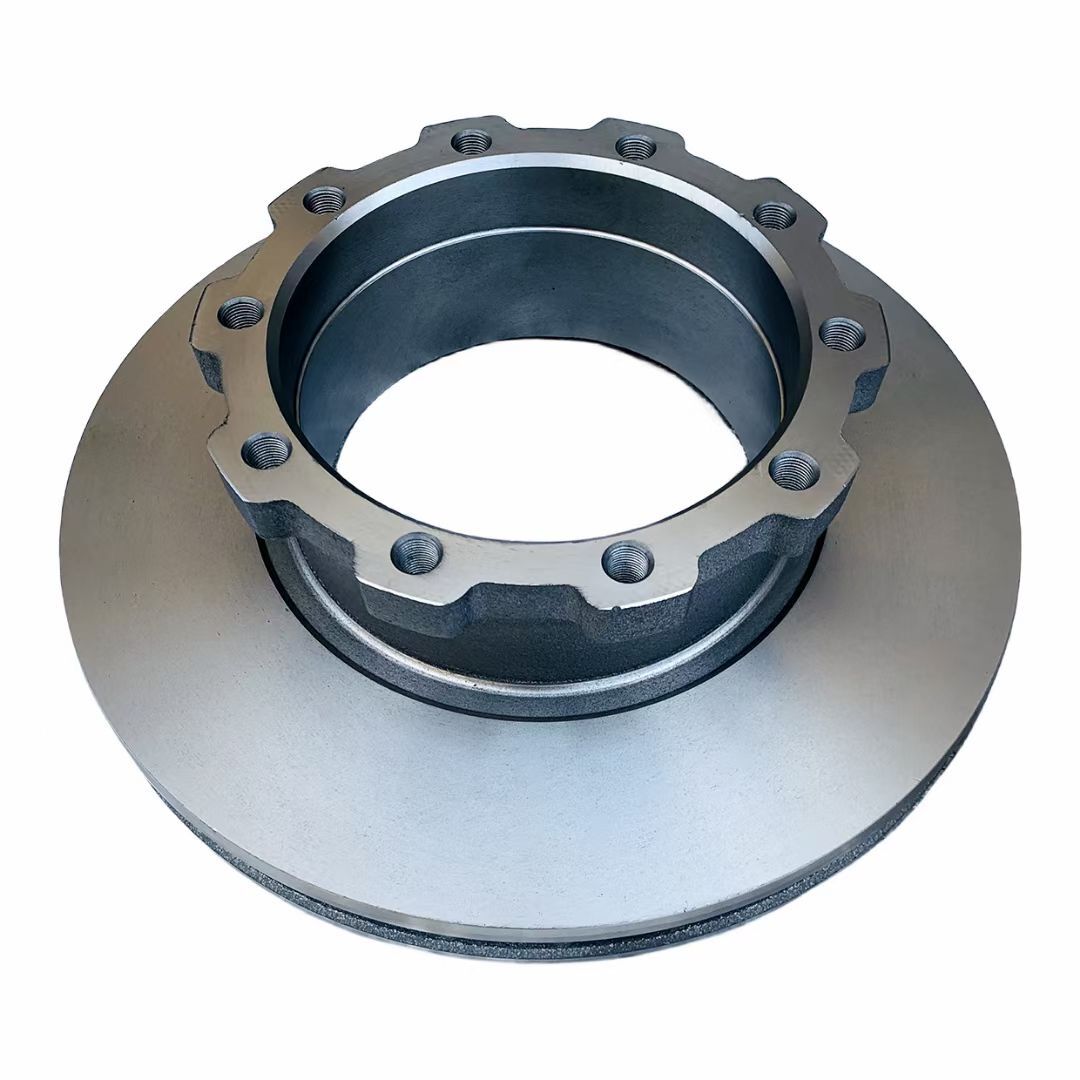
The Return on Investment is maximized only when the engineering quality from the truck parts supplier delivers the longest possible service life. Certified brake discs or a structural component that lasts 35% longer than a budget alternative generates massive ROI by minimizing labor expenses and reducing vehicle non-operational periods. When assessing break calipers & kits, fleets must look beyond price to confirm material composition and thermal treatment quality.
Quality and Certification
The reliability of truck and trailer parts is directly correlated with the manufacturer's quality controls. Selecting partners who adhere to the highest global standards is mandatory for safe, cost-effective fleet performance within the trucking industry and Logistics. This includes scrutinizing items like brake shoes, linings & kits and light duty brake shoes.
The ISO/TS16949 Standard
ISO/TS16949 is the established international gold standard for quality management within the automotive supply chain and is the baseline for heavy duty truck parts manufacturers.
- Process Assurance: Partnering with heavy duty truck parts manufacturers that hold this certification guarantees consistency in material grade, precision during forging and machining (critical for camshafts), and verifiable quality control logs.
- Friction Integrity: The ISO standard ensures the friction material composition is consistent, meets strict braking efficiency requirements, and resists premature wear, which is vital for preventing thermal fade.
When sourcing all trucks parts, fleet procurement must verify that the components are produced under these stringent process controls, not just advertised as "high quality."
Sourcing: OEM vs. Aftermarket
Fleet purchasing teams frequently navigate the choice between Original Equipment Manufacturer (OEM) parts and aftermarket alternatives. Smart sourcing dictates that quality is judged by the manufacturing standard and performance, not solely by the brand label. A discerning truck parts specialist understands this distinction.
- Premium Aftermarket: Reputable truck parts specialist providers often meet or exceed OEM specifications while providing the advantage of factory direct prices. This provides a substantial competitive edge, allowing fleets to maximize their maintenance budgets without compromising safety or performance integrity.
- Warranty Confidence: A comprehensive 12-month warranty is the manufacturer’s definitive commitment to their product's durability and performance, protecting the fleet's capital investment in truck trailer parts like brake drums and center supports. This principle applies equally to heavy truck & trailer parts and heavy duty truck and trailer parts.
Targeted Inspection Points
Focused inspection of the friction, actuation, and electronic mechanisms is the cornerstone of preventative brake management, minimizing the chance of catastrophic failure.
Friction and Hardware
The condition of the hardware kits and the brake friction material is paramount to safe stopping performance.
- Shoe and Lining Wear: Regularly monitor the remaining thickness of brake shoes. Differential wear patterns are often the first sign of poor foundation brake function or issues with the camshafts.
- Disc and Caliper Health: Inspect brake discs for signs of severe thermal stress, scoring, or cracking, which indicate compromised heat dissipation or a seized caliper. The break calipers & kits must be checked for piston integrity and free movement, especially in extreme heavy truck & trailer parts applications.
- Electronic Systems: Confirm the function and cleanliness of all abs breaks sensors and their associated wiring. ABS failure compromises the vehicle's electronic stability control.
Actuation and Linkage
The precise mechanism that converts pneumatic pressure into stopping force requires constant lubrication and monitoring.
- Camshafts and Bushings: Excessive play in the bushings around the camshafts causes the brake shoes to contact the drum unevenly, leading to rapid wear, vibration, and dangerous brake imbalance.
- Slack Adjuster Check: Pushrod travel length must be monitored; if it exceeds federal or state limits, the slack adjusters must be investigated immediately for internal failure and replacement with certified semi truck trailer parts.
All Truck Parts: Your One-Stop Solution
All Truck Parts Limited stands as a globally recognized truck parts specialist, bringing over 20 years of combined experience to the trucks and trailer industry. As an OEM and Aftermarket manufacturer, we provide a unique advantage in the supply chain, ensuring you receive quality commercial truck and trailer parts at factory direct prices. Our commitment to high standards guarantees you receive reliable and durable heavy duty truck parts.
Here is what defines our commitment to quality and service:
- Dual Manufacturing Status: We operate as both an OEM and Aftermarket manufacturer, offering factory direct prices without sacrificing the precision required for heavy truck and trailer parts.
- Certification: We are an ISO/TS16949-certified manufacturer, verifying our rigorous quality management systems and classifying us as certified heavy duty truck parts manufacturers.
- Guaranteed Quality: Every product we supply, including our extensive line of brake components (brake chambers, slack adjusters, brake valves, abs breaks, brake expander wheel, and full brake shoes, linings & kits), comes with a strong 12-month warranty.
- Technical Expertise: Our team of advanced engineers provides robust technical support and delivers customized design and popular OEM/ODM services for major international brands.
- Vast Inventory: We function as a comprehensive truck parts supplier, offering a vast inventory of commercial truck and trailer parts and all truck and trailer parts, ensuring a true one-stop solution.
Conclusion
Effective brake system management is a critical financial and safety discipline in the trucking and logistics sector. By implementing strategic, targeted inspections, thoroughly understanding the financial exposure of non-compliance, and committing to certified heavy truck and trailer parts quality, fleet managers can significantly lower their Total Cost of Ownership. Choosing a trusted truck parts supplier like All Truck Parts ensures your investment in semi truck trailer parts is backed by engineering excellence, keeping your vehicles compliant, safe, and profitable on the road.


